
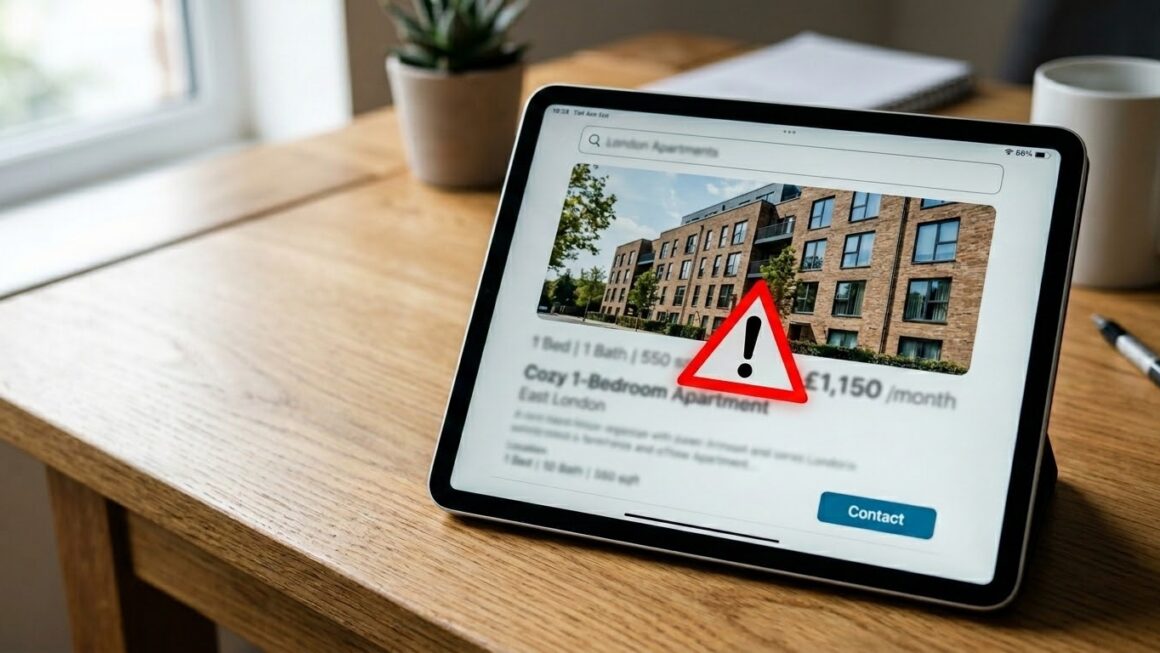

A couple in Vancouver found what looked like the perfect rental on Facebook Marketplace. Good photos, fair price, responsive landlord.They sent $1,000 CAD by eTransfer as a security deposit which, under BC’s Residential Tenancy Act, isn’t even a legally permitted deposit type and showed up on moving day to find that the actual owner had never listed the property.Rental scams have gotten harder to spot. Scammers now clone real listings, steal agent identities, and send eTransfer requests designed to drain accounts rather than fill them. Both landlords and tenants are targets.
Rental scams work partly because housing decisions are emotional. Tenants feel pressure to lock something down before someone else does. Landlords feel pressure to fill a vacancy before losing another month of income. That urgency is exactly what scammers exploit.
The Canadian Anti-Fraud Centre estimates that only 5 to 10 percent of fraud incidents ever get reported. The real scale of rental fraud in Canada is almost certainly far larger than official figures show.
Key Takeaways
- Rental scams target landlords and tenants equally, knowing both sides makes you harder to fool.
- The most common scams involve phantom listings, deposit requests before any viewing, and overpayment schemes targeting landlords.
- In BC, a security deposit cannot exceed half a month’s rent. Application fees are illegal. Anything outside those rules is a red flag.
- Never send money, sign documents, or share personal information before you have verified the listing, the property, and the person.
- Report suspected fraud to the Canadian Anti-Fraud Centre at their website, even if no money was lost.
Why Rental Scams Are So Convincing
The scam does not always look sloppy.
A fake landlord can use real photos pulled from an MLS listing, copy a legitimate rental ad nearly word for word, and respond to messages faster than a real landlord would. The RCMP describes a pattern that shows up across provinces: a fraudster lists a real property, claims demand is high, asks for a deposit or personal information before any in-person meeting, then disappears once the money arrives.
Landlords face a version of this too. In one common scheme, a fake renter submits a convincing application, sends a payment that later bounces, and is gone before the problem surfaces.
The pressure works because it mirrors a real situation. Rental markets in many Canadian cities are genuinely competitive, and both sides have been conditioned to move fast. Scammers build their scripts around that.
Red Flags Tenants Should Watch For
A listing does not need every red flag to be worth slowing down over. One strong signal is enough.
The Phantom Listing
This is the most common scam pattern in Canada right now. A fraudster copies photos and a description from a real MLS listing or active rental, posts it at a slightly lower price, and collects deposits from multiple applicants at once. The unit was never available to rent.
Before messaging anyone: run a reverse image search on every listing photo using Google Images or TinEye. If the images appear in other listings or on real estate sites, walk away. Cross-check the address on Google Maps and compare the street view to what the listing shows.
The “I’m Out of Town” Excuse
The supposed landlord cannot show the unit because they are travelling for work or living abroad. They offer to mail the keys once a deposit arrives. Legitimate landlords or their property managers will always allow a viewing before any money changes hands. There is no exception to this.
An Illegal Deposit Ask
Under BC’s Residential Tenancy Act, a security deposit cannot exceed half a month’s rent. A separate pet damage deposit of the same amount may apply. Application deposits and fees just to submit a rental application are illegal in BC.
If someone asks for a full month’s deposit, a holding fee, or any charge before you have signed a lease, that is worth pausing on. Deposit rules vary by province. For a province-by-province breakdown, this guide to rental deposits in Canada covers what is and is not legal in BC, Ontario, Alberta, and Quebec.
A Fake Application Form
Some scammers build convincing application forms that ask for your Social Insurance Number, banking details, full credit card information, or tax documents. Real landlords do need to screen applicants though a landlord should never ask for your SIN directly, a third-party credit screening service they use (such as Certn) may optionally request it to improve the accuracy of your credit check, and no legitimate landlord will ask for a credit card number directly.
Reputable screening services handle identity and credit checks through secure, privacy-compliant channels. If a landlord’s application looks more like a banking intake form than a rental form, trust that instinct.
Red Flags Landlords Should Watch For
Small landlords focused on avoiding vacancy can miss fraud coming from the applicant side.
They Want to Skip the Normal Process
The applicant is ready to send money immediately but avoids the actual application, a viewing, ID verification, reference consent, or screening. Urgency without process is a pattern worth noting every time.
The Documents Look Polished but Do Not Add Up
Income figures, job title, employer name, bank statement details, and reference answers should all tell the same story. If dates, formatting, or contact information feel slightly inconsistent with each other, verify before approving anything. Asking the right reference questions, specific ones about rent amounts, tenancy dates, and payment history makes it harder for a fake reference to get through.
The Overpayment Request
A prospective tenant sends more than the deposit amount, claims it was a mistake, and asks for the difference back. The original payment later bounces or gets reversed. The refund you sent is already gone.
A related variation: a scammer sends what appears to be an incoming eTransfer but is actually a request to withdraw funds. If accepted without careful review, money leaves your account instead of arriving. Interac is direct about this: if someone sends more than the agreed amount and asks you to return the difference, treat it as likely fraud and confirm with your bank before doing anything.
They Push for Keys Before Funds Have Cleared
A payment screenshot is not cleared funds. Do not release keys until the lease is signed, a move-in inspection is completed, and payment status is confirmed, not just received. Pendo Rent’s inspection reports tool lets you walk through the unit with your new tenant, capture timestamped photos, and get both signatures on record before move-in.
The Reference Is Too Easy and Too Vague
A fake reference may answer quickly but avoid any specifics. Ask for the exact rent amount, tenancy dates, payment history, and whether they would rent to that person again. Specific answers are harder to fabricate than general ones.
The Privacy Risk Both Sides Miss
Rental scams are not only about money. Personal information is just as much at stake.
Tenants are sometimes asked for a SIN, banking details, ID photos, pay stubs, or credit card numbers before they have even confirmed the listing is real. Landlords, on the other side, sometimes collect more information than they need and then store it in email threads or spreadsheets with no clear safeguards.
The Office of the Privacy Commissioner of Canada is clear: landlords must get consent before collecting personal information, identify the reason for collecting it, limit collection to what is necessary, and protect it with proper safeguards. Tenants are not required to provide a SIN simply because a landlord asks. A standard credit check does not usually require one, though they can be useful with the right safeguards to ensure your credit check is fully accurate, for instance, a reputable screening tool like Certn may optionally request it for this reason.
For landlords, a consistent screening process is the practical answer here. Ask only for what you need, explain why, get written consent, and store documents somewhere secure rather than in an inbox. Pendo Rent’s guide to tenant screening laws in Canada covers consent requirements, what credit checks actually require, and how the rules vary by province.
How to Verify Before Anything Changes Hands
For tenants:
- Compare the listed rent to similar units in the same area before reaching out.
- Run a reverse image search on every listing photo.
- Cross-check the address on Google Maps and confirm the street view matches.
- Verify that the person advertising the property is actually authorized to rent it. If the owner’s name does not match the person you are dealing with, ask for an explanation before proceeding. (BC residents can confirm property ownership through public registries such as BC Assessment or the Land Title and Survey Authority.)
- Meet the landlord, property manager, or authorized representative in person before sending anything.
- Get a written tenancy agreement with full legal names, the rental address, and the deposit amount before signing anything.
- Use a traceable payment method. Cash leaves no record and offers no recourse.
For landlords:
- Use the same written application process for every applicant, every time.
- Collect only the information needed for screening, and get written consent before running any checks.
- Verify employment and prior landlord references independently and not through contact details the applicant provides.
- Do not accept overpayments, and do not refund any “extra” money until the original payment has fully cleared with your bank.
- Do not hand over keys until the lease is signed, the move-in inspection is documented, and payment is confirmed.
- Keep a written record of every amount received, with dates.
Where Pendo Rent Fits
Rental scams thrive in messy workflows: loose eTransfers, screenshots passed off as payment confirmation, personal documents buried in email chains, and no clear record of what was agreed.
PendoPay processes rent through verified bank accounts using pre-authorized debit. Every transaction shows a real status as pending, in progress, or completed, visible from the landlord dashboard. There is no ambiguity about whether a payment has cleared, and no room for a fake screenshot to stand in for confirmed funds.
Pendo Rent also connects tenant screening, digital leases, and payment history to the same property record, so everything is in one place rather than scattered. That structure does not eliminate every risk. It does make the process harder to manipulate.
What to Do If You Suspect a Rental Scam
Stop communication before sending anything else. Save everything: screenshots, emails, listing URLs, phone numbers, payment records, and any names the other party used.
Then report it. The Government of Canada recommends reporting all fraud to the Canadian Anti-Fraud Centre at 1-888-495-8501, even if you were not ultimately a victim. Reports help law enforcement identify patterns and investigate.
If money has already moved, contact your bank immediately. Some eTransfer transactions can be recalled if flagged quickly enough but that window closes fast.
In early 2026, the RCMP in New Brunswick issued a public warning after a landlord handed over keys to a tenant who had sent a cheque for three months’ rent upfront. The cheque bounced a week later. The RCMP’s advice is consistent across provinces: require in-person viewings before accepting any payment, and make sure every step of the process is documented.
FAQs
Should a tenant ever pay a deposit before viewing a rental? Avoid it. Viewing the unit in person, confirming the landlord’s identity, and signing a written tenancy agreement should all happen before any deposit changes hands. The RCMP lists deposit requests made before a viewing or signed lease as a clear rental scam red flag.
Can a landlord ask for my SIN? A landlord should not ask for your SIN directly. However, if they use a reputable third-party screening service (such as Certn), that service may optionally ask for your SIN to ensure your credit check is fully accurate. The Office of the Privacy Commissioner of Canada notes that tenants are not legally required to provide it, but providing it through a secure, trusted platform can help verify your identity and improve the accuracy of screening results.
What is the safest way to pay rent? A traceable method with a documented record is always safer than cash. PendoPay processes rent through verified bank accounts and keeps every transaction on a digital ledger, which protects both sides if a dispute comes up. For more on setting this up, see how to collect rent online in Canada.
What is the biggest red flag for landlords? An overpayment followed by a refund request. If someone sends more than the agreed amount and asks you to return the difference, do not act until your bank has confirmed the original payment fully cleared. It very often has not.
What if the “landlord” claims to be a licensed real estate agent? If someone claims to be a licensed professional in BC, you can verify their credentials through the Real Estate Council of BC public registry. Scammers sometimes use real agent names, photos, and brokerage branding to appear credible, a quick registry search takes less than a minute.
Where should I report a rental scam in Canada? Report to the Canadian Anti-Fraud Centre at 1-888-495-8501 or antifraudcentre-centreantifraude.ca, your local police service, and your bank if money or banking information was involved. Report even if you did not lose money as it helps track patterns nationally.
The Safest Rental Process Is Simply a Slower One
Not complicated. Not expensive. Just slower at the right moments.
View the unit. Verify the person. Sign the lease. Use proper screening consent. Follow your province’s deposit rules. Keep payment records clean.
For landlords, that structure protects your property, your income, and your reputation. For tenants, it protects your money and your personal information.
This article is for informational purposes only and does not constitute legal advice. Always consult your local Residential Tenancy Branch or a qualified legal professional for advice specific to your situation.
Want a cleaner way to manage applications, screening, leases, and rent records? Start a free 30-day trial today or contact us for a demo.