
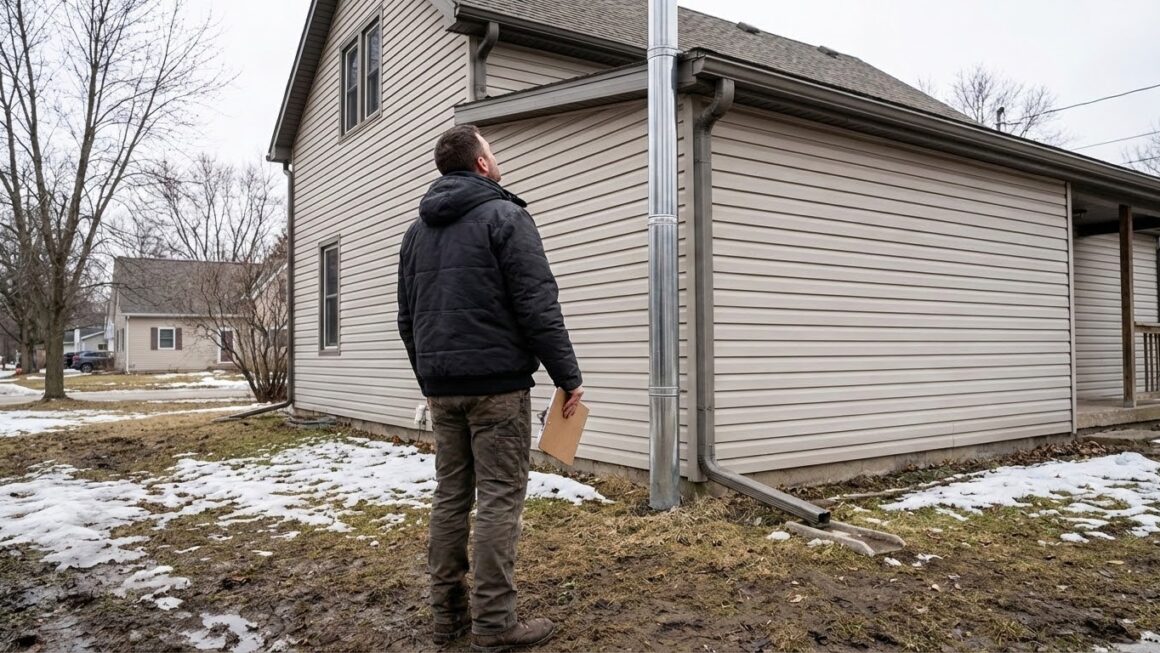

Spring is when winter hands you the bill.
A loose downspout. A damp basement corner. A bathroom fan that quietly stopped doing its job. Most expensive spring repairs do not start as emergencies. They start as small things no one dealt with early enough.
That matters even more in 2026. Severe weather and higher repair costs mean preventative maintenance is still one of the cheapest decisions a landlord can make.
Key Takeaways
- Start with water flow: roof, gutters, downspouts, grading, window wells, drains, and sump pump.
- Then check hidden moisture: ceilings, under sinks, tubs, laundry areas, basements, fans, and caulking.
- Test alarms, filters, lights, and seasonal systems before tenants find the issue first.
- Fix small water-related problems quickly.
- Document everything you inspect and repair.
What should landlords inspect first in the spring?
Start outside.
Most spring damage begins with water moving the wrong way. Walk the property with one question in mind: If it rains hard this weekend, where will the water go?
Check these first:
- gutters and eavestroughs
- downspouts and splash pads
- roof shingles and flashing
- grading around the foundation
- basement windows and window wells
- exterior caulking around doors and lower windows
- stairs, handrails, decks, and walkways damaged by freeze-thaw cycles
- exterior taps that may have cracked over winter
If you have a basement suite, make drainage the priority. That is where a small spring issue can turn into a much bigger problem fast.
What should you inspect inside the unit?
Once the exterior is done, follow the water indoors.
Open the cabinet under every sink. Check around toilets, tubs, shower surrounds, laundry hookups, hot water tanks, and dishwashers. Look at ceilings below bathrooms. If paint is bubbling or drywall feels soft, the problem is already underway.
Pay close attention to:
- musty smells in basements or closets
- stained ceilings or peeling paint
- weak bathroom fans
- cracked or missing caulking
- condensation around lower-level windows
- slow drains
A tenant may only say, “It smells weird in there.” That is still useful information. Moisture problems rarely fix themselves.
What repairs should happen right away?
Some spring issues can wait a few weeks. Some should not.
Move fast on:
- active leaks
- mould or repeated dampness
- sump pump problems
- blocked basement drains
- loose handrails or unsafe stairs
- failing seals around basement windows or doors
- damaged smoke or CO alarms
Spring is also a good time to replace furnace or heat-pump filters, check exterior lighting, and make sure locks and latches still work properly.
Don’t skip the tenant side
A spring checklist is not just about the building. It is also about communication.
Send tenants a short seasonal note asking them to report:
- leaks or damp spots
- slow drains
- recurring condensation
- loose railings or steps
- mould or musty smells
If the unit is occupied, make sure inspections follow the entry rules in your province. In BC, for example, landlords can inspect during a tenancy if they follow the legal notice requirements.
That keeps you compliant and makes the process feel organized instead of intrusive.
The spring mistakes that cost landlords the most
The costly mistakes are usually ordinary and delayed.
Common ones include:
- cleaning the yard but ignoring drainage
- dismissing a damp smell because there is no visible leak yet
- assuming the tenant will report every issue early
- treating caulking, grading, or fan problems as cosmetic
- fixing something without documenting it
Spring maintenance is really about keeping small problems boring.
What should you document?
This is the part landlords mean to do and often reconstruct later.
For every spring repair, keep:
- property and unit
- date found
- issue summary
- before photos
- vendor or contractor
- amount in CAD
- completion date
- note on whether it was routine maintenance or part of a larger upgrade
This matters for taxes, insurance, and disputes. It also saves time when you need to look back months later and remember what was done.
That is where Pendo Rent fits naturally. It is much easier to stay on top of spring inspections when your notes, photos, tenant history, and property records are all in one place instead of scattered across texts, emails, and your camera roll.
More blogs that may catch your interest:
- 3 Ways to Use Pendo Rent’s Mobile Inspection App Like a Pro
- How to Track Repairs, Upgrades, and CapEx for Tax Season and Long-Term ROI
- How to Add and Manage Tenants in Pendo Rent (Step-by-Step)
- Winter Property Prep: A Landlord’s Guide to Surviving (and Thriving) Through the Cold
Final thought
Spring maintenance does not get much attention when it goes well.
What it does give you is fewer emergencies, fewer tenant headaches, and fewer repair bills that should have stayed small.
Pendo Rent brings in inspections, repair notes, and tenant history into one system that makes it easier to manage. Contact us or Start your 30-day trial.